
Museum of London Docklands
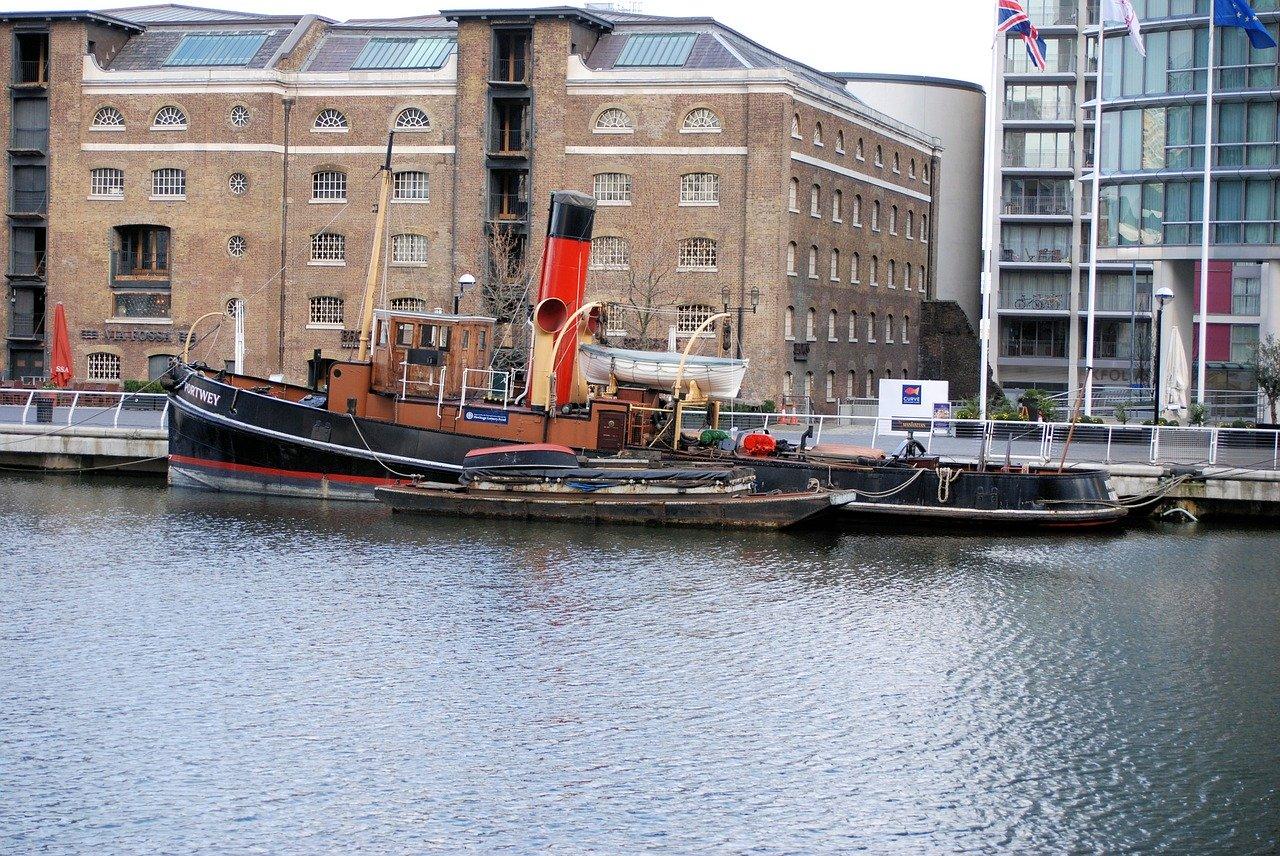
The Museum of London Docklands offers the opportunity to break with an old concept: the museum is a place for old things. Strolling through its galleries and corridors is like walking through the pages of a history book.
First of all, it is good to understand what the Museum of London Docklands is all about. Don’t make a fuss, because there is also the London Museum, which tells the history of the city. The two are run jointly.
The difference is that the Docklands focus on the history of the city’s relationship with the Thames. Specifically, the changes that the port has made in the Canary Wharf area, where it is located.
The tour begins with the new museum gallery. From the wooden cart, to the ladders, to the screens where videos are projected, to the walls, to the ceiling, everything tells the story of the building itself. The gallery is located on the third floor and is another characteristic of this museum: the visit is from top to bottom.
Two sad facts of history: slavery and war
The London Slave & Sugar, as its name suggests, tells the story of the port and the city’s relationship with the long period of slavery. It is the ugly side of the history of London’s capital and the country. Much of the UK’s wealth was built on the human trade. The gallery is there to remind you of this.
When you get to the second floor, there is no shortage of information. It is another bath of history. Here, for example, you can do an exercise in imagination. There is an exhibition of the port city expansion projects that have not been approved. What would the development of the city have been like if one of them had been approved?
There is also a fascinating part, where the streets of the time are reproduced, with the shops around the quays.
Memories of war
Also worth mentioning is the space reserved for the Second World War. As can be imagined, like airports, seaports are priority targets during a war. Therefore, in this part of the museum you have a sensory experience of the environment of the time of the bombings. The soundtrack consists of sounds that reproduce the environment of the time.
Our visit ends with the rebirth, the future. We entered a gallery that tells the story of the rebirth of the city. How it was rebuilt in the post-war period. It is a lesson of strength and optimism.
Visiting hours:
The museum is open daily from 10 am to 6 pm.
Admission is free of charge.
Park Row, Greenwich Peninsula, London SE10 9NF, United Kingdom
https://www.museumoflondon.org.uk/museum-london-docklands
https://goo.gl/maps/nncaMg2oaHVChTKa8


