Science Museum
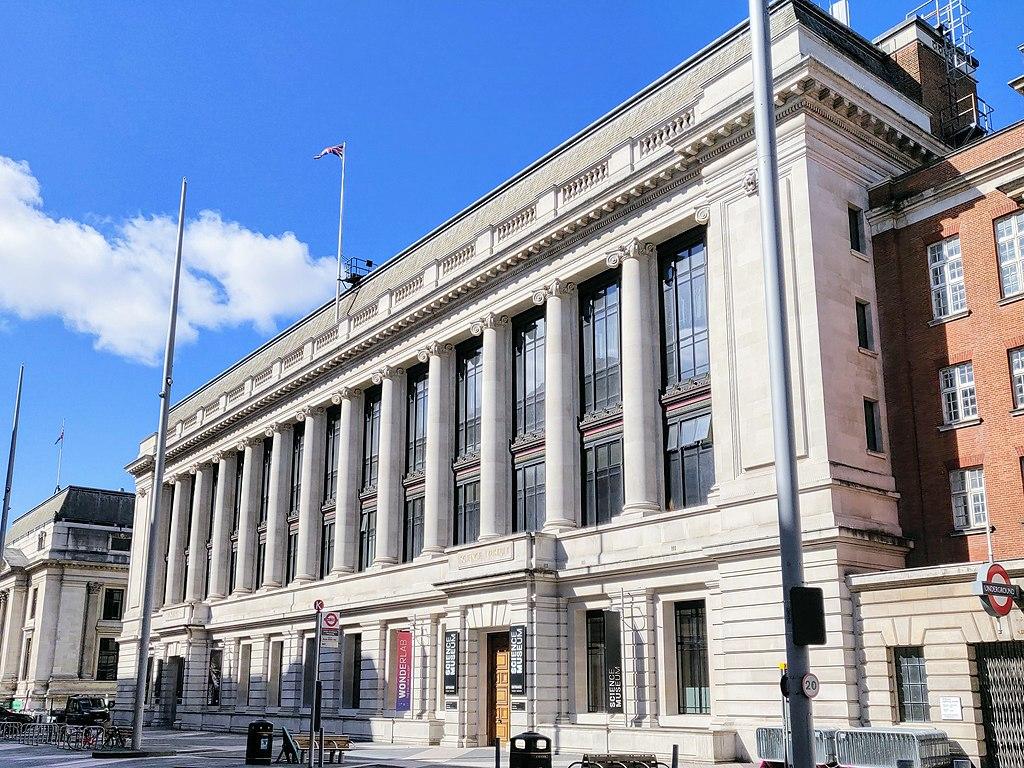
The London Science Museum is one of the city’s many free museums. It is located on Exhibition Road in South Kensington, close to the Natural History Museum and the Victoria and Albert Museum. In less than 2 minutes you can walk from one to the other, and you don’t pay anything at all.
History
The Science Museum was founded in 1857 from the collection of the Royal Society of Arts and some items from the ‘Great Exhibition’ (1851), a fair of culture and industry representing the beginnings of Expo. This exhibition took place in an equally innovative (purpose-built) building, designed as a gigantic greenhouse with an iron structure and glass walls. For this reason it was called the Crystal Palace.
Today, the Science Museum has a collection of over 300,000 objects, including the following:
- The Puffing Billy (the oldest steam locomotive);
- Stephenson’s Rocket, another steam locomotive; the first jet engine;
- a reconstruction of Francis Crick and James Watson’s model of DNA;
- the first prototype of the ten thousand year clock;
- the documentation of the first typewriter.
Many of the exhibits are interactive, which creates even more curiosity and makes us stay longer in the museum. There is also a 3D IMAX cinema that shows science and nature documentaries on topics such as the deep sea, sea monsters, sharks, insects, dinosaurs, forces of nature, the human body, the space station, Take Me to the Moon. In addition, there are special temporary exhibitions, a bar, an excellent library used by academics from around the world,…
How to get to the museum
To get to this part of the city, take the underground and get off at South Kensington station. You can use the yellow (Central), green (District) or blue (Piccadilly) lines.
Exhibition Road, SW7 2DD (South Kensington Subway, Gloucester Road).
https://www.sciencemuseum.org.uk/
Exhibition Rd, South Kensington, London SW7 2DD, UK